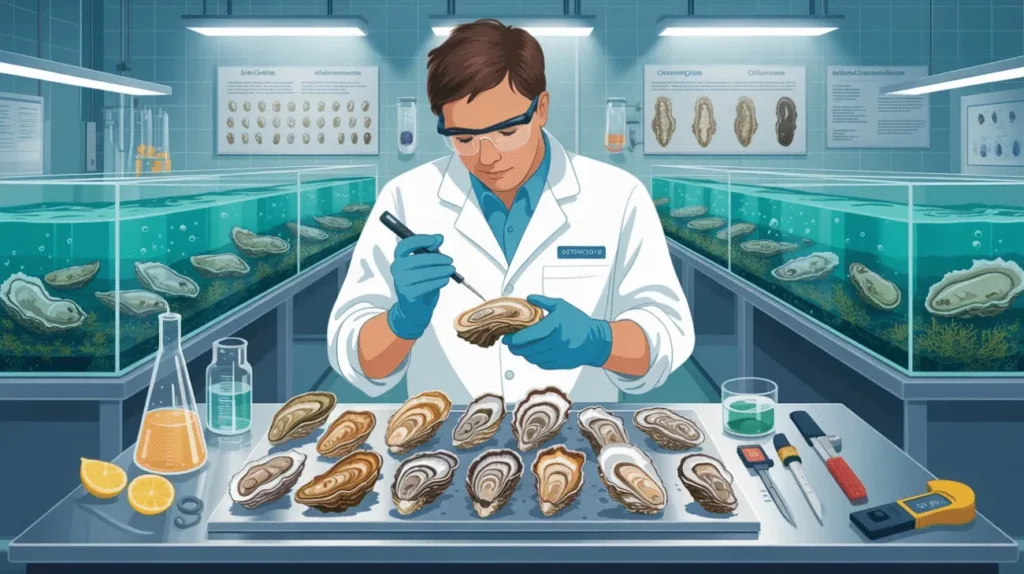

What is Ostropologe?
Ostropologe is a term that is often used to describe a specific field within the broader scope of cultural and social studies. The word itself etymologically derives from the Greek word “ostron,” which translates to “shell” or “bone,” combined with “logy,” denoting the study or discourse surrounding a particular subject matter. Together, these components signify the exploration of structures, whether physical or social, and their implications within human societies.
This academic discipline primarily focuses on the examination of social constructs and their various ramifications on culture and individual behavior. Ostropologe encompasses a variety of methodologies and theoretical frameworks that allow scholars to investigate how societies shape their structures and how these structures, in turn, affect individual and collective identities. Through qualitative and quantitative research methods, ostropologes study themes such as cultural symbolism, power dynamics, and social cohesion.
In contemporary discourse, the relevance of ostropologe cannot be overstated. As societies increasingly grapple with rapid changes driven by globalization, technological advancements, and socio-political movements, understanding the foundational aspects of social constructs has become essential. Scholars and practitioners in the field of ostropologe offer critical insights into how these changes influence dynamics within communities and contribute to a more profound understanding of social phenomena.
Additionally, related terms such as “sociology,” “anthropology,” and “cultural studies” often intersect with ostropologe, creating an interdisciplinary approach that enriches academic dialogue. These fields collectively contribute to our understanding of the complexities of human existence and the myriad factors influencing social structures and behaviors. Ultimately, by demystifying the concept of ostropologe, we open doors to deeper discussions about identity, culture, and society itself.
The Historical Context of Ostropologe
The study of ostropologe, a branch of science focusing on the analysis and understanding of specific biological phenomena, has a rich historical background that dates back several centuries. Its evolution can be traced through various intellectual epochs, beginning in the early days of natural philosophy, where scholars sought to understand the natural world surrounding them. In these formative years, figures such as Aristotle, who emphasized systematic observation and classification, laid the groundwork for future developments within the field.
As the Renaissance approached, the scientific revolution brought with it new methodologies and critical inquiry that significantly impacted the study of ostropologe. Pioneering minds like Galileo and Newton encouraged a more empirical approach, fostering an environment ripe for discoveries that shaped modern scientific understanding. This period marked an essential transition, as researchers began to apply these methodologies specifically to biological inquiries.
The 19th century witnessed remarkable advancements within ostropologe. The introduction of the theory of evolution by Charles Darwin catalyzed a shift in how scientists perceived biological changes over time. This paradigm shift allowed for a deeper exploration of life forms and their interrelations, paving the way for refined classification systems and the understanding of biodiversity. Iconic figures, including Ernst Haeckel and Gregor Mendel, played vital roles in expanding the framework of ostropologe, introducing concepts that remain foundational today.
As the 20th century unfolded, ostropologe experienced further transformation with the advent of genetics and molecular biology. These scientific breakthroughs deepened our comprehension of life’s complexity and interconnectedness. Researchers began focusing not only on anatomical features but also on genetic variations that influence organisms’ characteristics. Thus, the field of ostropologe continually evolved, responding to new knowledge and societal needs.
In conclusion, the historical context of ostropologe underscores a narrative of growth and adaptation, shaped by key figures and groundbreaking discoveries that have rendered it a pivotal field within biological sciences. Understanding this trajectory enhances our appreciation for its enduring relevance in contemporary society.
Applications and Impact of Ostropologe Today
Ostropologe, the study focused on understanding the behavioral patterns and interactions within social ecosystems, finds its relevance across various domains, influencing real-world practices and policies. Its applications in science are particularly significant, where researchers leverage insights from ostropologe to comprehend the dynamics of human interaction and decision-making. For instance, in the field of psychology, understanding communal behaviors can enhance therapeutic practices aimed at improving mental health across diverse populations.
Moreover, in technology, the principles of ostropologe are increasingly integrated into the development of algorithms for social media platforms. These algorithms are designed to foster community engagement and combat misinformation by understanding how users interact and influence one another. A case study on a leading social media company highlights the successful implementation of ostropologe-inspired models, resulting in improved user retention and satisfaction by creating more positive engagement environments.
Education is another arena where ostropologe plays a crucial role. Educational institutions are employing concepts derived from this study to enhance collaborative learning experiences. Programs designed around social learning theories encourage collaboration among students, ultimately leading to improved academic performance. One notable example is a pilot program in several schools that integrated ostropologe principles into their teaching frameworks, yielding demonstrable improvements in student engagement and academic outcomes.
Furthermore, public policy is heavily influenced by the findings of ostropologe. Policymakers utilize these insights to craft legislation that addresses social issues effectively. Policies that support community building and promote inclusivity have been shown to benefit from ostropologe research, as seen in initiatives aimed at reducing social isolation among vulnerable populations. The positive impacts of such measures underscore the vital importance of integrating insights from ostropologe into various sectors.
Through these varied applications, ostropologe continues to shape a deeper understanding of human experiences within contemporary society, emphasizing its ongoing relevance and significance.
Future Perspectives: The Evolution of Ostropologe
The future of ostropologe holds significant promise, as emerging trends and advancements in technology drive its evolution across various fields. With the ongoing integration of artificial intelligence and machine learning, researchers are uncovering deeper insights into the nuanced applications of ostropologe. These technologies are facilitating more sophisticated analyses of data, allowing for enhanced understanding of structures that previously remained unexplored. As a result, we can anticipate a marked improvement in how ostropologe is utilized in research, education, and industry.
Furthermore, interdisciplinary collaboration is likely to play a crucial role in the evolution of ostropologe. By bridging the gap between fields such as biology, chemistry, and physics, researchers can cultivate a more holistic approach to studying this fascinating subject. This convergence of disciplines is expected to broaden the horizons of ostropologe, encouraging innovative methodologies and enabling discoveries that have the potential to redefine its boundaries.
Additionally, the ever-increasing focus on sustainability and environmental concerns shapes the future of ostropologe. Understanding the ecological implications of ostropologe-related practices could lead to more sustainable approaches in various industries. Research initiatives aimed at harnessing the capabilities of ostropologe may foster the development of solutions that address pressing issues, such as climate change and resource depletion.
In essence, the future landscape of ostropologe is characterized by a dynamic interplay of technology, collaborative research, and sustainability. As we continue to explore this field, it is vital for professionals and academics alike to remain vigilant and adaptable to these changes. Through critical thinking and active engagement with emerging trends, we can unlock the full potential of ostropologe and its profound implications for our world.