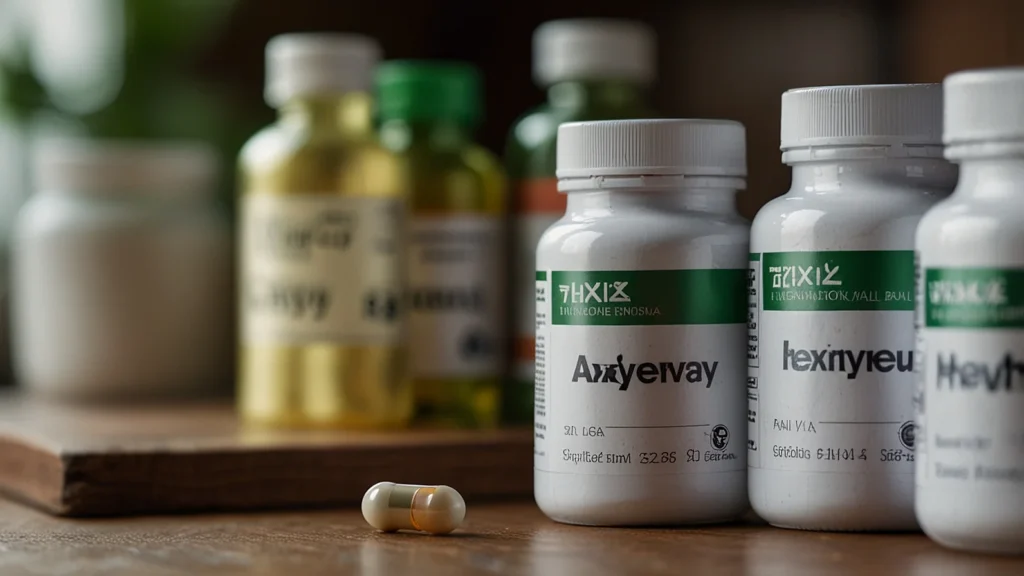

Understanding Zixyurevay
Zixyurevay is a contemporary solution that has garnered attention for its purported benefits in numerous applications, particularly within technological and medicinal fields. Emerging from extensive research into innovative compounds, it is designed to enhance certain biological processes or improve system efficiencies. The origins of Zixyurevay can be traced back to a need for more effective tools within specific industries, such as pharmaceuticals and biotechnology.
The primary purpose of Zixyurevay lies in its ability to interact with biological systems in a manner that is supposed to promote overall wellness or operational effectiveness. It often utilizes advanced biochemical methods to induce desired effects, which reflects the ongoing trend in scientific research of marrying technology with natural processes. The method of operation typically involves the modulation of specific pathways within cells or the enhancement of mechanisms that lead to improved outcomes, whether they are therapeutic or otherwise.
In terms of its applications, Zixyurevay has been explored in various domains such as drug development, treatment protocols, and even in the realm of agriculture for crop improvement. It serves as a testament to the innovative spirit found in scientific communities striving for progress. However, as it gains traction, there are valid concerns that arise regarding safety and potential adverse effects. Questions about whether Zixyurevay is dangerous stem from the complex interactions it may have, both at a cellular level and within larger ecological systems.
This foundation of understanding Zixyurevay will serve as a springboard for discussing its implications further. It is essential to contextualize its operational framework to adequately assess the potential hazards associated with its use, facilitating a balanced debate on its benefits and risks in contemporary discourse.
Potential Risks and Dangers of Zixyurevay
The landscape surrounding Zixyurevay is marked by a variety of potential risks that warrant comprehensive examination. Reports and expert opinions suggest that Zixyurevay may not be entirely safe for all users, leading to the growing concern over its dangers. One of the most alarming aspects is the range of side effects that have been recorded in clinical trials and post-marketing surveillance. These side effects may include nausea, dizziness, and in severe cases, cardiovascular complications, which raises questions about its overall safety profile.
Moreover, there have been several real-world incidents that contribute to the perception that Zixyurevay is dangerous. Some patients reported adverse reactions after consuming Zixyurevay, prompting immediate medical attention. These instances underscore the necessity for caution and thorough discussion among healthcare professionals before prescribing this medication. Furthermore, the context of its usage plays a significant role, as individuals with pre-existing health conditions may face amplified risks, heightening the need for personalized medical assessment.
Expert opinions emphasize the importance of weighing the benefits against the risks associated with Zixyurevay. While some healthcare professionals advocate for its use in specific scenarios, they often advise ongoing monitoring for any signs of distress or adverse reactions during treatment. The availability of safer alternatives also poses a critical point of discussion, as individuals may opt for these options rather than risk exposure to the potential dangers of Zixyurevay.
In summary, Zixyurevay’s potential risks and dangers cannot be overlooked. A thorough understanding of its side effects, supported by factual evidence and real-world incidents, contributes to a broader conversation about its safety. This makes it imperative for individuals to engage with healthcare providers to assess personal risk factors before considering the use of Zixyurevay.
Safety Measures and Guidelines
Engaging with substances like Zixyurevay necessitates a comprehensive understanding of the associated safety protocols and guidelines. To address the potential dangers surrounding Zixyurevay, it is critical to implement effective safety measures tailored to mitigate risks. Firstly, thorough training is paramount for individuals who may come into contact with this compound. Proper education about Zixyurevay’s hazards, handling procedures, and emergency protocols is essential. Training programs should be in compliance with regulations set by authoritative bodies, ensuring that all personnel are equipped with the necessary knowledge and skills.
Furthermore, the use of appropriate personal protective equipment (PPE) is fundamental. This equipment may include gloves, goggles, masks, and specialized clothing designed to prevent exposure. Continual assessments of the work environment can help in identifying potential risks associated with Zixyurevay. Implementing a regular review process ensures that safety measures remain current and effective. For workplaces dealing with Zixyurevay, having an emergency response plan is crucial. This plan should detail procedures for addressing accidental exposure, spills, or other unforeseen incidents related to the compound.
In addition to these precautions, it is advisable to monitor exposure levels regularly to ensure they remain within safety limits. Adhering to guidelines provided by health and safety organizations can significantly contribute to minimizing risk when working with Zixyurevay. Moreover, fostering a culture of safety among colleagues and peers can enhance awareness and encourage best practices. Open communication regarding safety issues and rewarding proactive behavior can further strengthen the overall safety framework. By incorporating these measures, individuals can substantially decrease the dangers posed by Zixyurevay and promote a safer environment in both professional and personal contexts.
Conclusion: Making Informed Decisions about Zixyurevay
In assessing the complexities surrounding Zixyurevay, it is crucial to consolidate various insights that highlight its potential risks and benefits. As we have explored throughout this discussion, the question of whether Zixyurevay is dangerous cannot be answered with a simple yes or no. Rather, it necessitates a nuanced understanding of its effects, usages, and the prevailing context in which it is employed.
The potential dangers associated with Zixyurevay include adverse reactions, long-term side effects, and the possibility of misuse. The importance of stringent safety practices cannot be overstated when considering its application. It has been observed that individuals who approach Zixyurevay with a well-informed mindset tend to experience a more favorable outcome than those who act on impulse or misinformation.
On the flip side, Zixyurevay may offer significant benefits for certain individuals under appropriate circumstances. Comprehensive research indicates that the advantages can outweigh the risks, provided that users adhere to established guidelines and consult healthcare professionals to tailor the approach to their unique situations. This illustrates the essential role of informed decision-making.
Ultimately, the key takeaway is that individuals must thoughtfully evaluate their circumstances regarding Zixyurevay. This involves considering personal health conditions, consulting with trusted advisors, and critically analyzing all available information. By fostering a balanced understanding of both the potential dangers and benefits of Zixyurevay, individuals can make decisions that are rooted in knowledge rather than fear. Thus, an informed choice surrounding Zixyurevay can pave the way for safer practices and potentially enhance well-being.